Sto. Niño de Cebu: The Birth of Christian Faith in the Nation!
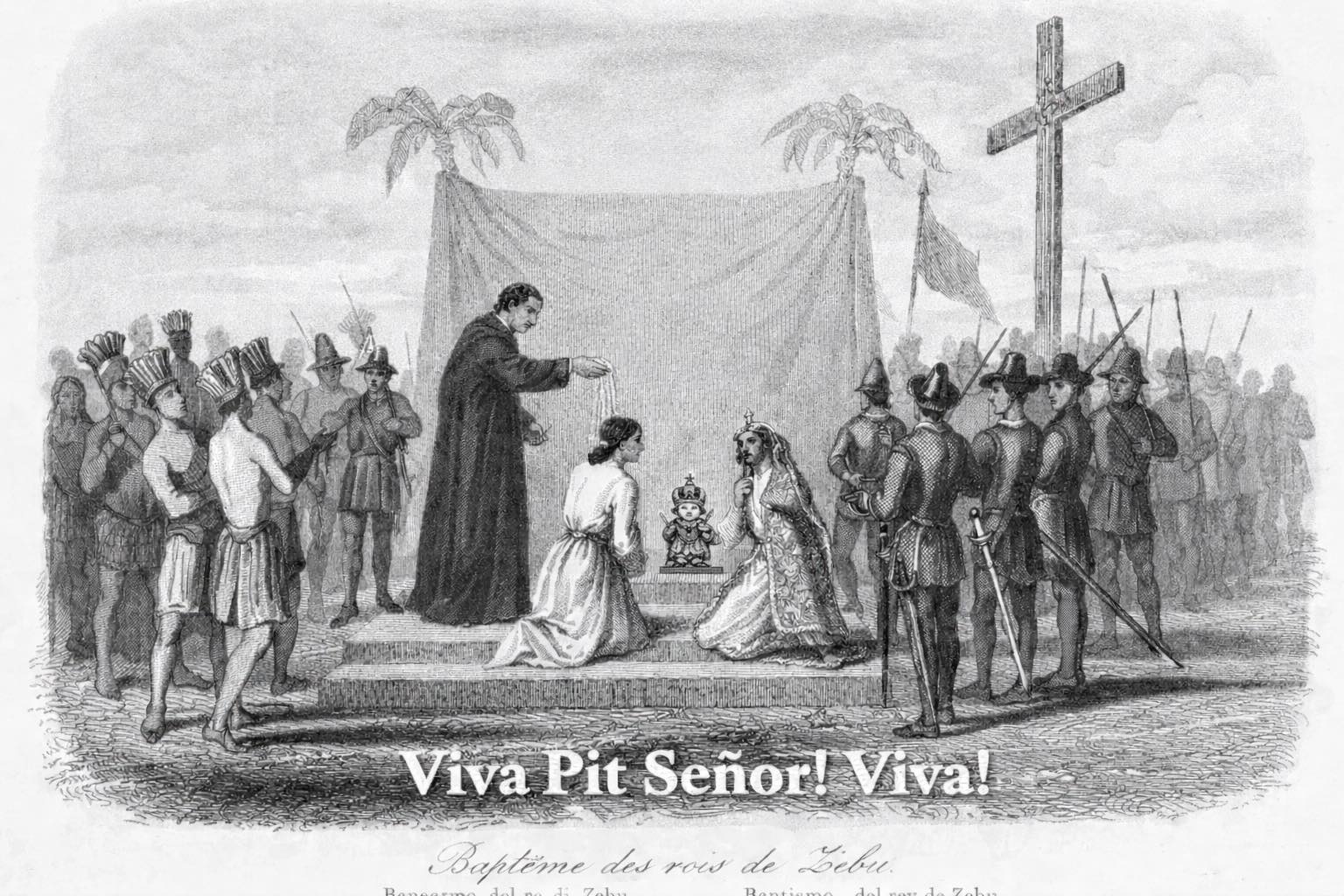
The Sto. Niño is not merely an image of the childhood of Jesus Christ; He is the beginning of Christian faith in the Philippines. In Cebuano, the word “niño” means child—small, weak, and in need of care. Yet in faith, this “child” is fully God. This is the heart of the mystery: God who chose childhood in order to reveal love, mercy, and an intimate presence. The most well-known expression of this is the Sto. Niño de Cebu, an image made in Europe—likely in the Flemish region of what is now Belgium—and brought to the Philippines by Ferdinand Magellan in Cebu in 1521. At the baptism of Rajah Humabon and Queen Juana, the image was given as a sign of the beginning of faith—a God introduced not as a fearsome king, but as a child who is close and trustworthy.
This event is firmly grounded in history. In the book First Voyage Around the World by the Italian chronicler Antonio Pigafetta, it is recorded that after the baptism, the Queen of Cebu was given an image of the Child Jesus. He did not yet use the term “Sto. Niño,” but he clearly described it as an image of the Child Jesus. This account is the earliest primary document showing that Christianity entered the Philippines through evangelization and the symbol of the Child, not through the sword or force. Here we see that devotion to the Sto. Niño has a real and traceable historical foundation.
After Magellan was killed at the Battle of Mactan in 1521, the first mission was interrupted. But in 1565, when the Spaniards returned under the leadership of Miguel López de Legazpi, the image of the Child Jesus—now known as the Sto. Niño—was found again, intact and unharmed. This rediscovery proved that even without priests, without churches, and without strong colonial power for many years, the faith endured. The people themselves safeguarded the image and its meaning. From here, Christianity took root as a faith that is intimate, personal, and enduring.
From this living experience emerged the cry “Pit Señor.” “Pit” comes from sangpit—a plea or call that comes from the depths of the heart—and “Señor” means Lord. “Pit Señor” became the simplest yet deepest prayer of the people. Just as a child trusts and asks, so too does the devotee call upon the Child Jesus with faith that He listens. Shouting “Pit Señor” is not a lack of reverence, but a declaration of trust.
In modern times, this devotion took physical form in the Sinulog Festival. The modern Sinulog began in 1980 through a dance choreographed by Cebuano artist David Boy Sayon—one step backward and two steps forward—not merely for entertainment, but as a bodily prayer. It was embraced by the people and the Church and became one of the largest religious festivals in the country, with the Sto. Niño remaining at its heart.
The devotion has its physical home in the Basilica Minore del Santo Niño, but its true dwelling is in the homes and hearts of the faithful. Thus, the Sto. Niño remains central to the spiritual identity of the Filipino people. “Pit Señor” continues to be the prayer of a nation—a prayer of trust and hope that endures to this day.
Viva Pit Señor! VIVA!